This article presents only general professional opinions and does not constitute legal, regulatory, financial, or compliance advice relating to your particular case. Reading it creates no consulting relationship with GRAYS™ Strategy. Figures come from the sources cited, as of the publication date, so please check them before you rely on them.
Two care organizations agree to join, and then the hard part starts. In the first year, two sets of staff, systems, and habits have to start becoming one. The research on how that goes is thin and mostly dated, though it agrees on a few things.
Legal and funding groundwork
The board is responsible for the merger agreement, including drafting and voting on it, according to a 2010 review of nonprofit and human service mergers. Funders can complicate things. When money is scarce, they may limit support to several organizations that do similar work. A 2011 review from Wilder Research and MAP for Nonprofits adds a clear decision process and a realistic time frame to the list of what helps.
We’d say the paperwork wants a closing date, and the people side takes longer. Half of the six large mergers in a 1992 survey of 16 human service agencies reported needing 24 to 36 months to come together. A 2010 review puts the range anywhere from one to ten years.
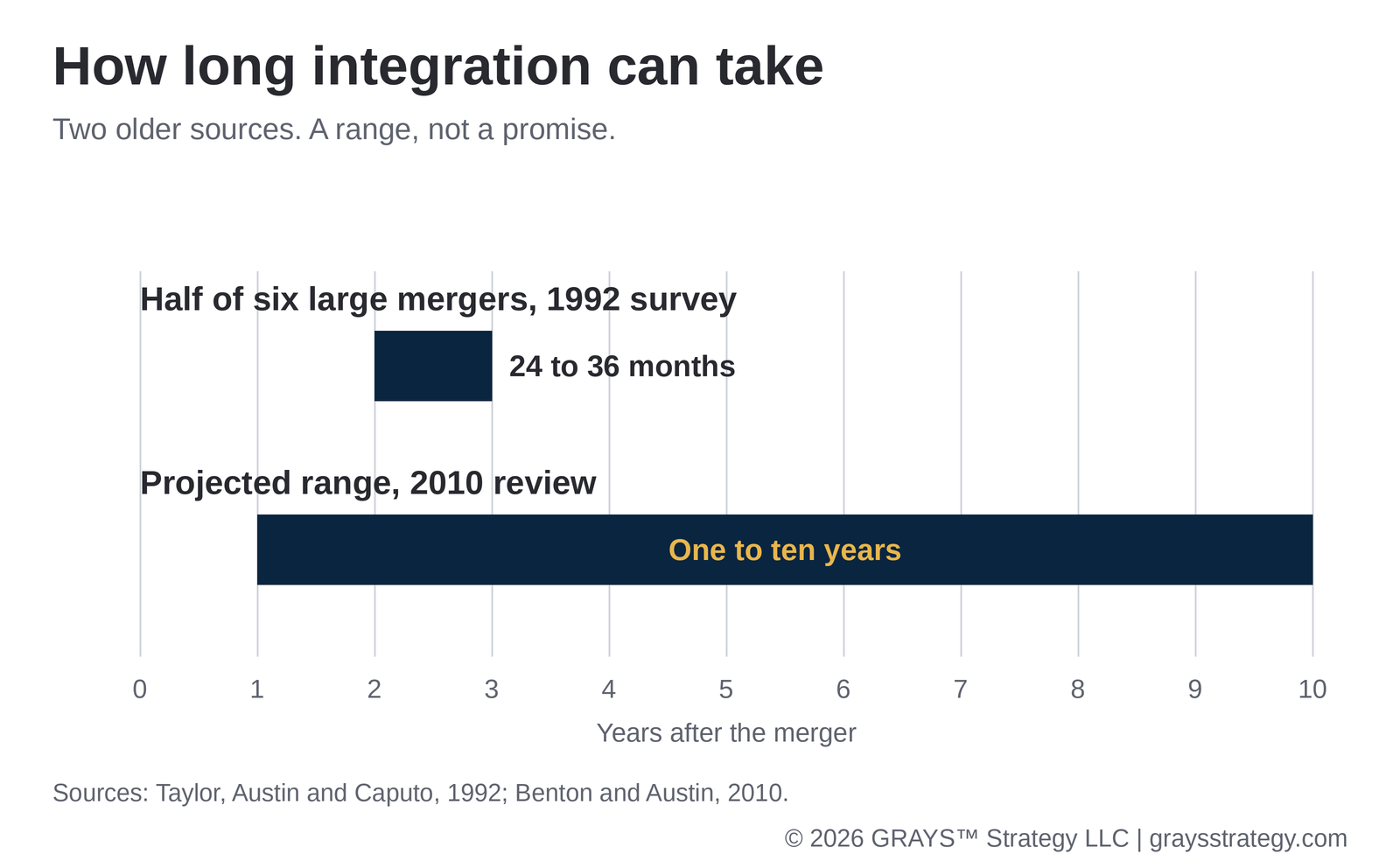
Figure 1. How long integration can take. A range from two older sources, not a promise.
A clear operating model
The 2010 review reports that, in one assessment of three mergers, those driven by financial problems and chosen as a last resort were more problematic. The 2011 review calls the evidence on whether finances improve after a merger contradictory.
In our view, money often starts the conversation, and the operating model still has to protect the mission. Those two don’t always point the same way.
Workforce and culture
The 2010 review says worries about jobs and identity are reported concerns, and a lack of support can raise absenteeism and turnover. In the 1992 survey, stress was high in large mergers, especially for middle managers, and low morale and resignations were the most common results.
One 2022 study surveyed staff after a single merger of two nonprofits, and 56 people responded. Those with the more extensive mentoring and support networks were more likely to identify with the merged organization. The California Health Care Foundation’s 2023 brief on two health center mergers said the mergers did not mean staff reductions. Merging cultures, the brief adds, is more complex when you have two equals than when one of the partners is in a dominant position. We think you can keep your job and still lose your sense of belonging.
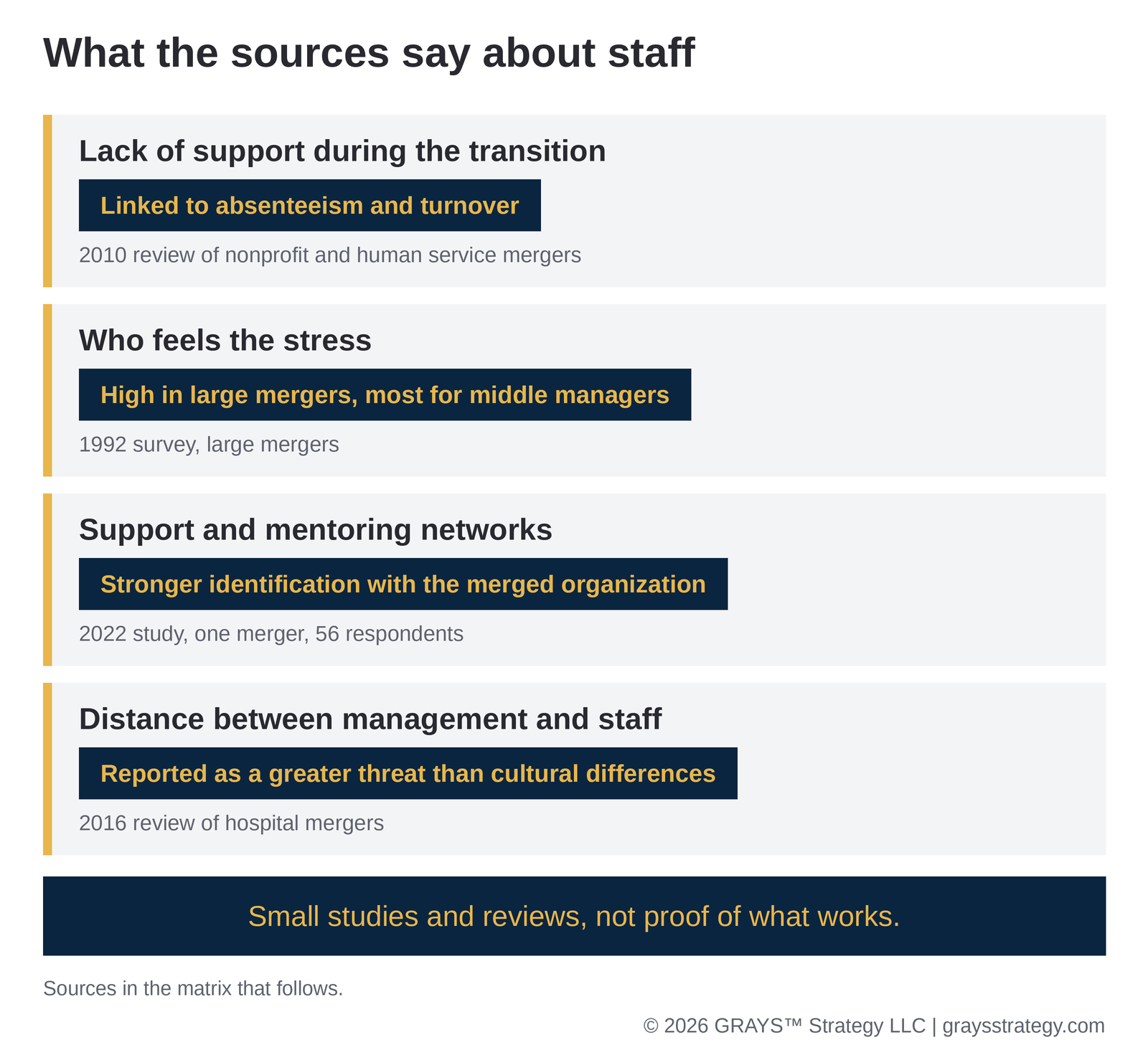
Figure 2. What four sources say about staff. Small studies and reviews, not proof of what works.
Communication and leadership
The 2010 review makes the link between good communication and better outcomes (clarity, openness, and support). It recommends talking both ways and being prepared to say you don’t know. It makes the link between a gradual, negotiated approach and higher levels of staff satisfaction than a rapid top down approach.
The 2016 Health Research Board review in Ireland looked at 49 studies of hospital mergers. One finding stands out: distance between management and staff was a bigger threat than cultural differences. Hospitals aren’t health centers, so we take it as a prompt, not a rule. The California brief names who continues as chief executive and what to name the new organization as hard decisions to make early. The tension, as we see it, is timing. Early decisions can’t wait, and staff want to hear the reasons.

Systems and data
Among these sources, this is the thinnest area. In the 1992 survey, large mergers struggled to integrate client records and files. The California brief says one planned merger would start with back office and information technology and leave the clinical piece for later. It calls technology alignment in another a heavy lift. In one instance, providers and site leaders felt standardized operations cost them autonomy.
To us, shared systems are what make two organizations run as one. Move to them too fast, and it can feel like lost control.
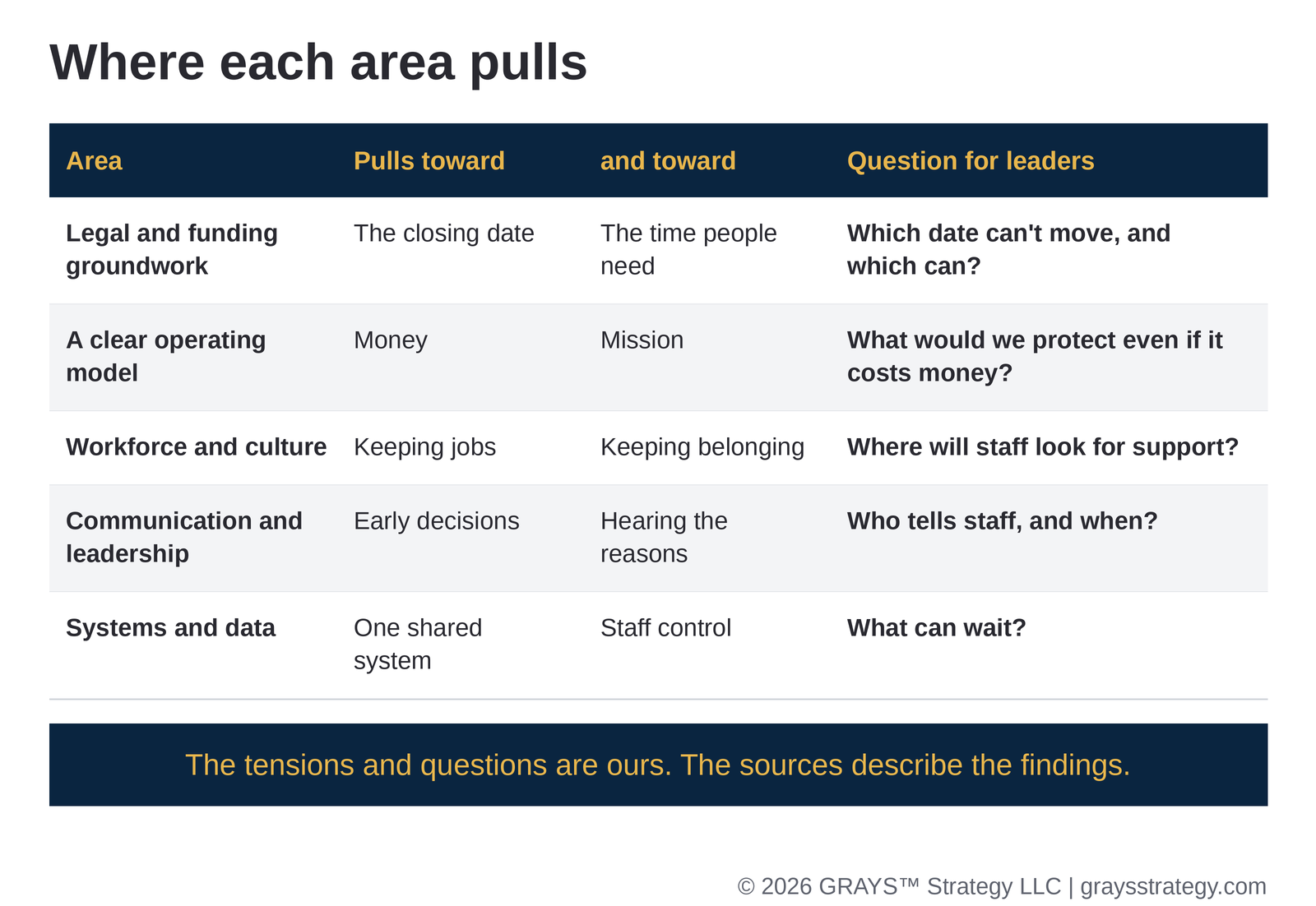
Figure 3. Where each area pulls. The tensions and questions are ours.
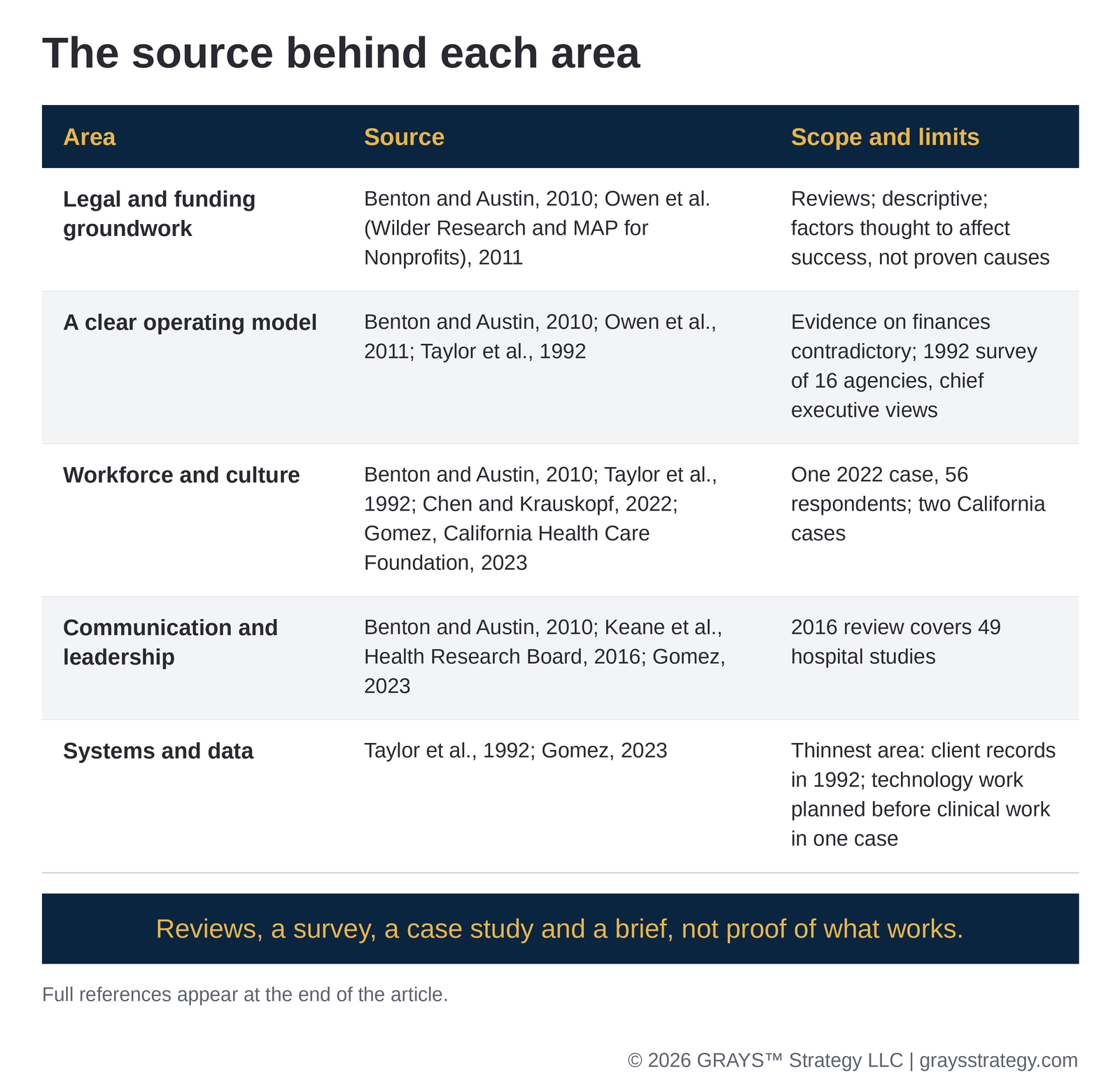
Figure 4. The source behind each area, and what each covers. Reviews, a survey, a case study and a brief, not proof of what works.
Read these as lessons from a handful of reviews and small studies, most of them older. The research doesn’t agree on what merger success means.
A test for the first year
Start by naming one person to own the first year. For each area, record the decision, the date, and who is going to tell the staff.
We’d suggest checking in three times. At 90 days, you want to make sure that every decision has an owner and a date. At six months you’re looking at what’s still unsettled. The one year check is the big one, the one where you decide if you’re stable enough to start thinking about growth. Integration can take longer than a year so that check is a decision point rather than an end point.
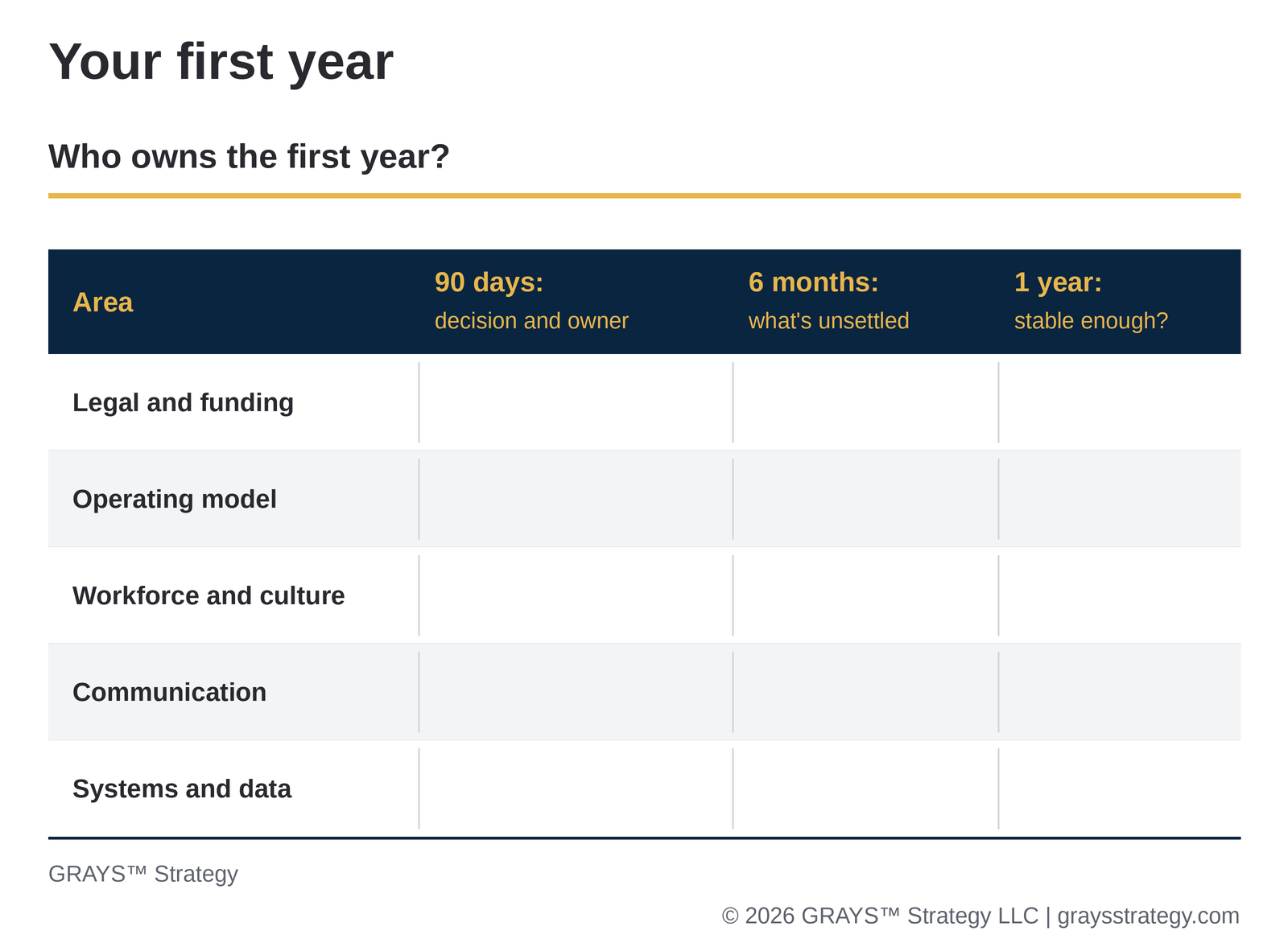
Figure 5. A first-year test card. Fill in each blank from your own plans.
Which area has no owner today?
We help care organizations after two organizations join: which decisions come first, who owns each one, the operations alignment and culture fit, and how you’ll know it’s working.
We design strategy for your specific reality. If you’d like to talk through how this applies to your organization, we’re glad to start with a short conversation: info@graysstrategy.com.
Share this article on LinkedIn
References
Benton, A. D., & Austin, M. J. (2010). Managing nonprofit mergers: The challenges facing human service organizations. Administration in Social Work, 34(5), 458–479. https://mackcenter.berkeley.edu/sites/default/files/publications/managing_nonprofit_mergers_the_challenges_facing_human_service_organizations.pdf
Chen, B., & Krauskopf, J. (2022). Nonprofit post-merger identification: Network size, relational heterogeneity, and perceived integration effectiveness. Frontiers in Human Dynamics, 4, Article 933460. https://doi.org/10.3389/fhumd.2022.933460
Gomez, R. A. (2023, March). A partnership of equals: Early lessons from mergers of similarly sized and positioned health centers [Issue brief]. California Health Care Foundation. https://www.chcf.org/wp-content/uploads/2023/03/PartnershipEqualsEarlyLessonsMergers2023IB.pdf
Keane, M., Sutton, M., Farragher, L., & Long, J. (2016). Barriers and facilitators to successful hospital mergers: A systematic review. Health Research Board. https://www.hrb.ie/fileadmin/user_upload/Barriers_and_facilitators_to_successful_hospital_mergers.pdf
Owen, G., Kelly, L. M., Pittman, B., Wagner, B., & Reed, R. (2011, March). What do we know about nonprofit mergers? [Literature review]. Wilder Research and MAP for Nonprofits. https://nlctb.org/wp-content/uploads/nonprofit_mergers.pdf
Taylor, J., Austin, M. J., & Caputo, R. K. (1992). Managing mergers of human service agencies: People, programs, and procedures. Child Welfare, 71(1). https://mackcenter.berkeley.edu/sites/default/files/managing_mergers_of_human_service_agencies_people_programs_and_procedures.pdf
GRAYS™, GRAYS Method™, and Clarity in Complexity™ are trademarks of GRAYS™ Strategy LLC. © 2026 GRAYS™ Strategy LLC. All rights reserved. This content reflects general commentary and professional analysis current as of its publication date. It does not constitute legal, regulatory, financial, or compliance advice, and should not be relied upon as a substitute for professional counsel specific to your organization’s circumstances. Regulatory developments referenced herein may change after publication; readers should verify current status independently before acting.
More from Clarity Defined